
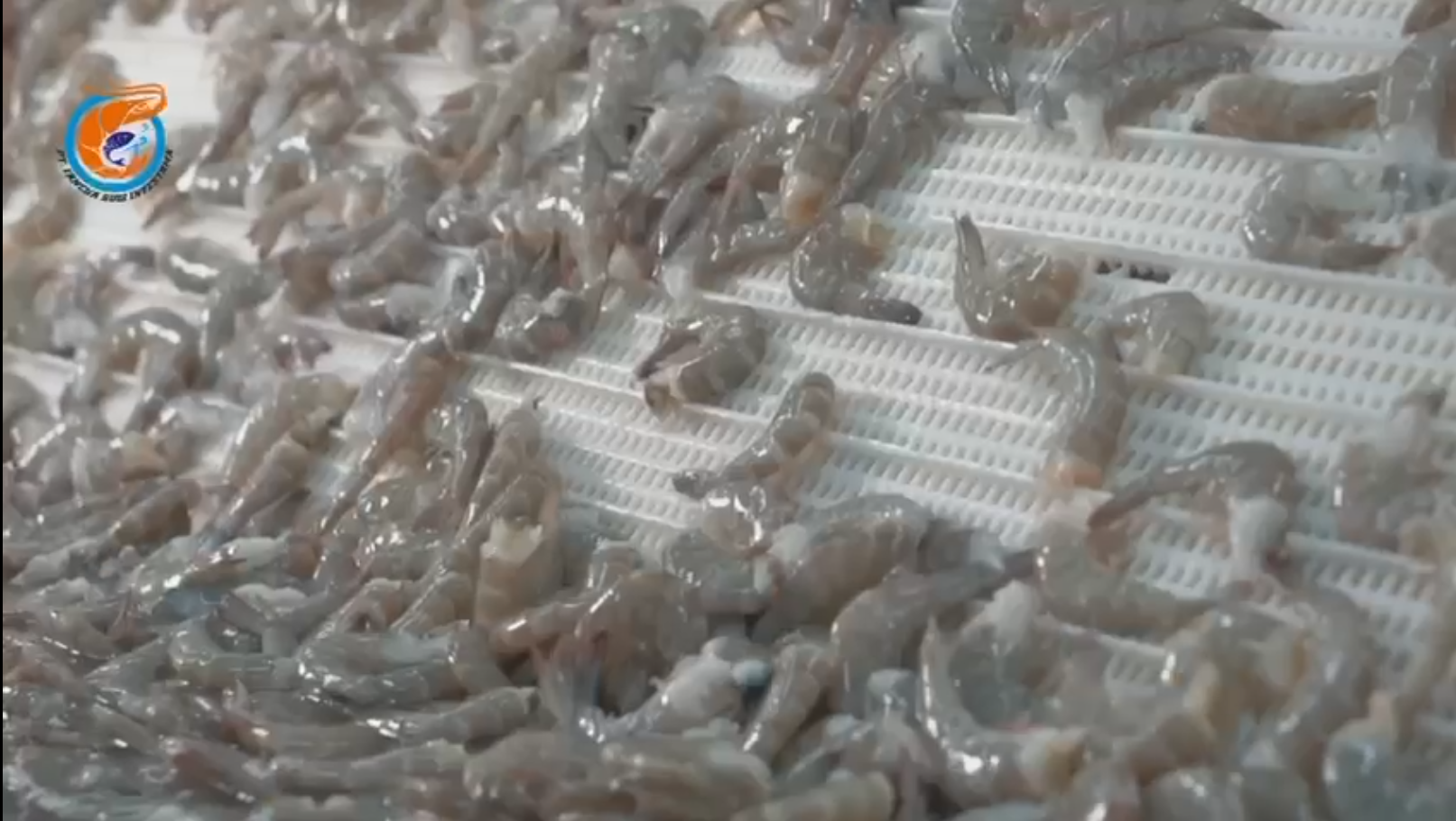
The aquaculture and fisheries industry continues to undergo rapid transformation in line with increasing global demand for high-quality seafood products. Indonesia, as one of the world’s largest maritime countries, has tremendous potential in developing leading commodities such as vaname shrimp, squid, freshwater fish, and fresh meat products. However, this enormous potential must be balanced with technological innovation, increased production capacity, and the implementation of international standards in order to compete in the global market.
This article provides an in-depth analysis of the direction of modern aquaculture and fisheries industry development, the increasingly open export opportunities, and the strategies that businesses need to implement to address market challenges.
1. Modern Aquaculture: The Main Pillar of Seafood Export Growth
In recent years, the aquaculture sector has become the spearhead of export product supply, especially for shrimp and freshwater fish commodities. Unlike sea fishing, which is highly dependent on weather and stock sustainability, aquaculture offers full control over the cultivation environment, feed management, and harvest quality.
Vaname Shrimp: A Rising Star in Exports
Vaname shrimp are the most sought-after commodity in the international market due to their tender meat texture, high survival rate, and relatively short cultivation period.
Global trends show:
Demand continues to increase from the United States, Japan, and China.
Consumers are increasingly choosing farmed shrimp with sustainability certification.
Major global producers are competing to create intensive and super-intensive farming technologies.
Indonesia has a great opportunity to strengthen its position as a vaname shrimp exporter by utilizing the potential of ponds in Sulawesi, Kalimantan, Nusa Tenggara, and Sumatra.
Freshwater Fish Farming: A Growing Niche Market
Tilapia, catfish, and catfish are beginning to attract the attention of international buyers, especially for the frozen fillet market. The advantages of this sector are production stability, simple technology, and consistent supply.
2. Key Technologies in Modern Aquaculture
To face global competition, Indonesia’s aquaculture industry must adopt the latest technologies. Some of the key innovations that have become standard in various countries are:
a. IoT-Based Pond Systems
- The Internet of Things (IoT) allows farmers to monitor water parameters in real time:
- pH
- DO (Dissolved Oxygen)
- Temperature
- Salinity
- Ammonia
This data helps farmers make quick decisions, prevent stress on organisms, and increase survival rates.
b. Biofloc and Zero Water Exchange
- Biofloc technology is widely used in vaname shrimp farming to:
- Reduce water consumption
- Improve feed efficiency
- Reduce the risk of disease
This system allows for high stocking densities with more efficient operational costs, suitable for small businesses to large companies.
c. Recirculating Aquaculture System (RAS)
RAS is a modern aquaculture technology that utilizes a continuous filtration system to maintain water quality. Its advantages:
- Flexible location (even in urban areas)
- Reduces disease risk
- Environmentally friendly
- More predictable production levels
This type of technology is ideal for high-value commodities such as grouper, snapper, and premium shrimp.