
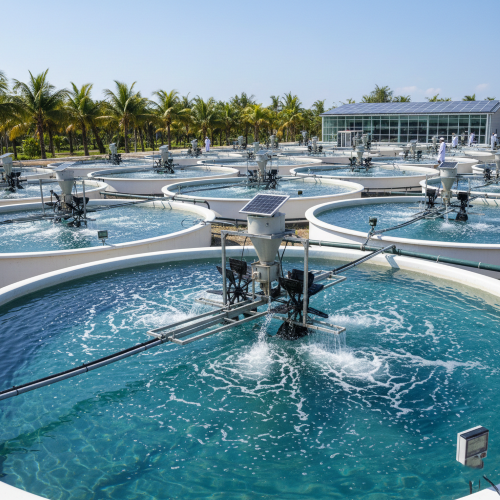
Global seafood demand is increasing rapidly, and one species stands at the heart of this growth: vannamei shrimp. As consumer preferences shift toward sustainably produced, high-quality seafood, the industry has been forced to innovate. Today, the world is witnessing a major transformation driven by modern shrimp aquaculture, a cutting-edge farming system designed to maximize efficiency, improve sustainability, and enhance product quality for international markets.
Indonesia, in particular, has emerged as a leader in adopting advanced aquaculture systems, making it one of the most promising producers of export-grade vannamei shrimp. This article explores the breakthrough technologies shaping modern shrimp farming and how they elevate global seafood production standards.
Automation Through Smart Feeding Systems
One of the biggest technological jumps in aquaculture today is the introduction of modern shrimp aquaculture using auto feeder systems. Traditional feeding relied heavily on manual labor and subjective observations, often leading to overfeeding, underfeeding, or inconsistent growth.
Modern auto feeders solve these issues using:
- programmable feeding cycles
- real-time monitoring
- vibration or splash sensors
- feed-to-biomass optimization
- AI-assisted algorithms
By optimizing feed distribution, farms reduce waste, stabilize water quality, and significantly improve feed conversion ratios (FCR). Importantly, auto feeders support uniform growth and predictable harvest cycles, a key requirement for international buyers demanding consistent product grading.
Aeration Technology Transforming Shrimp Survival Rates
Oxygen is the most critical element in shrimp farming. Without proper aeration, mortality rises, growth slows, and water quality deteriorates. Today’s farms rely on advanced aeration technology for modern shrimp aquaculture, combining traditional methods with next-generation oxygen systems.
Key aeration innovations include:
- high-efficiency paddlewheel aerators
- blower-powered diffuser systems
- nano and micro-oxygenation diffusers
- programmable DO monitoring sensors
These systems ensure shrimp always receive optimal dissolved oxygen levels, reducing stress and supporting maximum growth. For farms targeting premium export markets, this results in better texture, healthier shrimp, and dependable harvest volumes year-round.
Microbubble Technology: A Game-Changer
The adoption of the microbubble system for modern shrimp aquaculture farms marks one of the most significant advancements in recent aquaculture history. Microbubbles are tiny oxygen particles that stay suspended in water much longer than traditional aeration systems.
Benefits include:
- higher dissolved oxygen retention
- improved nitrification processes
- lower ammonia concentration
- enhanced microbial balance
- reduced disease susceptibility
Microbubble systems create an oxygen-rich environment that minimizes shrimp stress and boosts growth rates. These conditions directly translate into larger, healthier shrimp that meet global export quality standards.
The Rise of HDPE Circular Ponds
One of the most visible changes in modern aquaculture is the shift from traditional rectangular ponds to modern shrimp aquaculture with HDPE circular ponds. This design revolutionizes how water circulates inside the system.
Circular ponds offer:
- natural vortex circulation
- minimal dead zones
- better waste settlement
- easier maintenance
- greater stocking density potential
The HDPE lining also prevents leakage, contamination, and soil-borne pathogens—resulting in higher biosecurity and better survival rates. These ponds enable farmers to scale production while maintaining the consistency required for export markets.
Water Quality Control: The Heart of Modern Aquaculture
Water quality has always determined the success of shrimp farming. Modern systems rely on a multilayered approach combining technology, filtration, and microbial management.
Key elements include:
- pre-treated water reservoirs (tandon)
- settlement tanks for sediment removal
- pH, DO, ammonia, and salinity monitoring
- probiotics and microbial balancing
- sludge management systems
This scientific approach ensures stable ecosystems that allow shrimp to thrive naturally, reducing dependence on antibiotics or chemical intervention. The result is a cleaner, safer final product for buyers.
Biosecurity and Disease Prevention
Biosecurity is essential in the shrimp industry, where diseases can cause catastrophic losses. Modern shrimp aquaculture integrates strict biosecurity protocols such as:
- controlled water intake
- insect and predator barriers
- vehicle and personnel sanitation
- crab fencing
- disinfection stations
- separate harvest and nursery zones
For export-oriented producers, this is non-negotiable. Biosecure environments guarantee consistent production, allowing suppliers like YSI Seafood to reliably meet shipment schedules without supply disruption.
Digital Monitoring and Precision Aquaculture
Technology is redefining shrimp farming. Sensors, IoT tools, and data analytics provide real-time insights into every aspect of production.
Examples include:
- DO/pH/salinity digital sensors
- smart auto-feeder data logs
- cloud-connected farm dashboards
- biomass estimation software
- automated alert systems
Precision aquaculture ensures farmers make decisions based on continuous data rather than guesswork. This leads to:
- improved survival rates
- better harvest forecasts
- efficient feed use
- reduced environmental risk
Buyers benefit from this transparency—they know exactly where, how, and under what conditions their shrimp were produced.
Sustainability as a Core Foundation
Modern aquaculture emphasizes sustainability not as an option but as a requirement. International buyers demand traceable, environmentally responsible production.
Sustainability practices include:
- wastewater treatment before disposal
- reduced carbon footprint aeration systems
- responsible feed management
- minimal antibiotic use
- coastal ecosystem protection
- community-based farming initiatives
Producers that prioritize sustainability stand out in global markets. YSI Seafood, for example, integrates eco-friendly systems across multiple farming operations, ensuring long-term pond health and ethical product sourcing.
The Impact of Modern Aquaculture on Global Markets
Thanks to these innovations, modern shrimp farms provide:
- stable year-round production
- consistent shrimp sizes
- improved product safety
- predictable supply chains
- premium-grade shrimp for exporters
For buyers worldwide, Indonesia is becoming a preferred sourcing destination because its modern aquaculture systems meet international quality, sustainability, and traceability expectations.
Why YSI Seafood Leads in Modern Shrimp Aquaculture
YSI Seafood collaborates with modern farms utilizing:
- circular HDPE ponds
- microbubble aeration
- auto feeder systems
- biosecure infrastructure
- real-time monitoring
- responsible water management
By bridging farmers and global buyers, YSI ensures every product follows strict production standards from pond to port. This makes YSI one of the most reliable partners for importers seeking quality, consistency, and sustainability.
The Future of Shrimp Farming is Here
Modern shrimp aquaculture is reshaping the global seafood industry. Through automation, advanced technology, scientific water management, and sustainable practices, producers can now deliver healthier, safer, and more consistent shrimp to global markets.
Indonesia is at the forefront of this transformation—and companies like YSI Seafood are leading the way.
Don’t hesitate to contact us for more info