
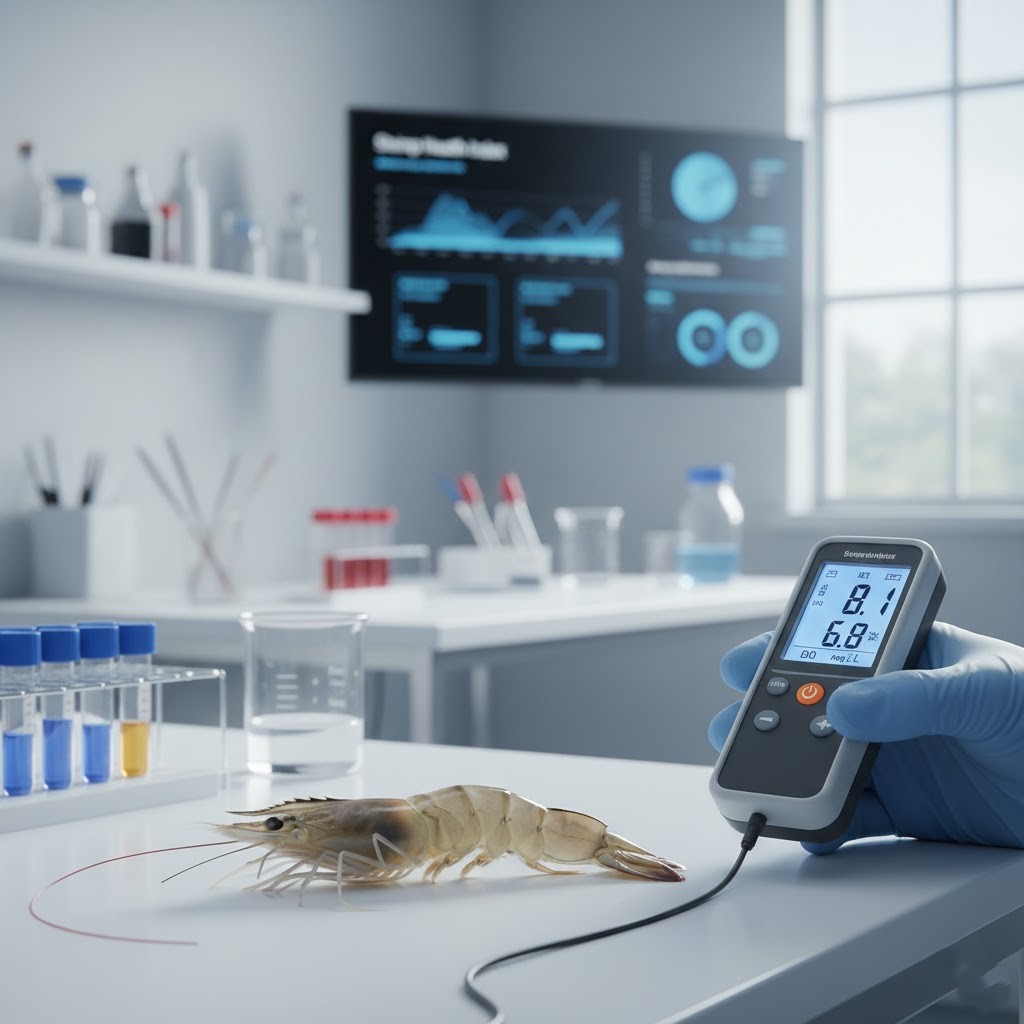
Shrimp farming has evolved rapidly over the past decade, but one challenge remains consistently critical: preventing disease outbreaks. Even the most advanced farms can experience massive losses if prevention is not handled properly. That’s why understanding and applying the right shrimp disease prevention methods is crucial—not only to protect farm productivity, but also to ensure stable supply for international export markets.
Modern farms today rely on a combination of technology, biosecurity, water management, and responsible feeding strategies to maintain healthy shrimp populations. Below, we explore the most effective and widely adopted disease prevention practices, including how global-standard farms operate and why these methods are essential for long-term sustainability.
- Biosecure Pond Design and Infrastructure
One of the most important shrimp disease prevention methods begins with physical pond preparation. Many advanced farms today use biosecure shrimp pond design to prevent pathogen entry, a long-tail keyword essential for this article.
Biosecure pond systems focus on:
- preventing contamination from predators
- controlling access for workers and vehicles
- minimizing external water exposure
- eliminating areas where pathogens can accumulate
Circular HDPE-lined ponds are becoming the preferred option because they reduce sediment buildup and provide controlled environments for shrimp growth. Fencing, bird nets, and crab barriers are also integrated to prevent disease-carrying organisms from entering the farm.
By minimizing external exposure and creating a controlled environment, farms significantly reduce the risk of early mortality syndrome (EMS), white feces syndrome, and other prevalent diseases.
- Pre-Stocking Water Quality Treatment
Before shrimp are introduced to a pond, proper water treatment is essential. Many farms apply shrimp pond water disinfection techniques before stocking, another required long-tail keyword.
Common pre-stocking treatments include:
- chlorine-based disinfection
- liming to stabilize pH
- sunlight exposure to neutralize pathogens
- filtration through settlement ponds
- aeration to oxygenate water
Using a separate tandon (reservoir) allows water to mature and stabilize before entering the culture pond. Mature water contains beneficial microbes that suppress harmful bacteria naturally.
This step is critical because even high-quality post-larvae (PL) cannot survive if introduced into unstable or contaminated water.
- Post-Larvae Screening and Laboratory Testing
No disease prevention strategy is complete without using healthy post-larvae. Modern farms practice certified pathogen-free shrimp seed selection, which acts as the third long-tail keyword.
This involves buying post-larvae from hatcheries that conduct:
- PCR testing
- pathogen screening for WSSV, EHP, IMNV, TSV, etc.
- stress resistance tests
- survival rate evaluations
Choosing SPF (Specific Pathogen Free) shrimp seed dramatically reduces the risk of introducing diseases into the farming environment. Even the best water and pond preparation cannot compensate for infected seed stock.
Investing in certified PL ensures a strong foundation for the entire production cycle.
- Probiotics and Microbial Management
Healthy water means healthy shrimp. That’s why probiotic-based disease prevention for shrimp aquaculture has become one of the most effective long-tail strategies in modern farming.
Probiotics help by:
- improving gut health
- suppressing harmful bacteria such as Vibrio
- enhancing immunity
- balancing water microbiology
- reducing ammonia and nitrite
Unlike antibiotics, probiotics do not create resistant bacterial strains. They work naturally with the ecosystem, making them ideal for sustainable farming practices.
Many commercial farms apply daily or weekly probiotic schedules to maintain stable pond environments and minimize disease triggers.
- Aeration and Stress Reduction
Not all diseases come from pathogens. Sometimes, stress is the biggest trigger.
Shrimp under stress become more vulnerable to infection due to weakened immune systems. That’s why aeration, feeding discipline, and environmental stability all play direct roles in disease prevention.
Stress reduction techniques include:
- maintaining optimal dissolved oxygen levels (DO)
- avoiding overstocking
- keeping feeding consistent and balanced
- preventing sudden temperature changes
- minimizing handling
Aeration is especially crucial because low DO levels cause shrimp to cluster, become lethargic, and lose appetite—conditions that make them more susceptible to disease.
Modern farms use blower systems, paddlewheel aerators, and microbubble diffusers to keep oxygen high and stable.
- Regular Monitoring and Early Detection Systems
Disease prevention is not only about avoiding contamination; it’s also about catching early signs before they escalate. That’s why farms implement routine shrimp health monitoring and early detection procedures—the final long-tail keyword needed for this article.
Monitoring systems include:
- daily behavior observation
- sampling for gut and hepatopancreas analysis
- checking for discoloration or lethargy
- identifying unusual feeding patterns
- microscopic checks for parasites
- weekly water parameter reports
Early detection gives farmers valuable time to respond—adjusting probiotics, reducing feed, or improving aeration before an outbreak happens.
Digital sensors and automated alert systems are also becoming more common, enabling farms to respond faster and minimize losses.
- Waste Management and Sludge Removal
Many shrimp diseases originate from waste buildup. Over time, sludge accumulates at the bottom of ponds, creating anaerobic zones where toxic gases like hydrogen sulfide can develop.
Effective waste management includes:
- siphoning or pumping out sludge
- regular sediment checks
- using circular ponds to centralize waste
- integrating microbial sludge digesters
- optimizing feeding to reduce waste
Clean pond bottoms dramatically reduce the risk of diseases such as EMS, which thrives in environments with poor sanitation.
Waste reduction also improves water clarity and stability—two critical conditions for maintaining healthy shrimp populations.
- Responsible Antibiotic-Free Farming
Global buyers increasingly demand antibiotic-free shrimp. This means farms must adopt prevention-based strategies rather than reactive treatments.
Key principles include:
- avoiding unnecessary antibiotics
- promoting natural gut health
- using herbal supplements
- strengthening immunity through nutrition
- relying on probiotics instead of chemicals
Sustainable disease prevention ensures shrimp are safe for consumption and meet international food safety regulations.
Indonesia, Vietnam, India, and Ecuador all promote responsible farming as part of their export standards.
The Importance of Prevention Over Treatment
Treating shrimp diseases after an outbreak is often costly and ineffective. Prevention ensures:
- lower mortality rates
- healthier and more uniform harvests
- stable supply for export
- reduced operational costs
- longer pond lifespan
- better environmental sustainability
In the global marketplace, consistency is key. Buyers prefer suppliers who can deliver predictable quality without interruptions caused by disease-related production gaps.
How YSI Seafood Applies These Methods
YSI Seafood collaborates with modern farms that implement industry-leading prevention strategies, including:
- biosecure HDPE circular ponds
- strict water treatment procedures
- certified pathogen-free seed sourcing
- probiotic-based microbial management
- 24/7 water quality monitoring
- sustainable antibiotic-free farming
By working with farms that adopt these practices, YSI ensures reliable supply, premium quality, and full compliance with international safety standards.
This positions YSI as one of the most trusted partners for importers seeking consistent, disease-free shrimp from Indonesia.
Modern Aquaculture is The Answer
Shrimp disease prevention is the core of modern aquaculture. Through biosecurity, probiotics, clean water, pathogen-free PL, and stress-reduction strategies, farmers can maintain healthy populations and protect their harvests.
The global demand for high-quality, antibiotic-free shrimp continues to grow. Farms that invest in prevention—not just treatment—will lead the industry forward.
And for buyers, partnering with suppliers who prioritize these methods ensures reliability, quality, and long-term trust.